May 10, 2026
By Randal Terrell
Mental health is far more complex than many people realize. In today’s world, millions of individuals struggle with depression, anxiety, paranoia, emotional instability, addiction, and other mental health conditions. What is often overlooked, however, is the significant role that substance use and prescription medications can play in causing, triggering, worsening, or masking mental health symptoms.
For many people, substance-related mental health problems are not simply the result of illegal drug use. In some cases, mental health emergencies can develop from prescription medications, medication withdrawal, sleep deprivation, chronic stress, or a combination of several factors occurring at the same time.
This is an issue I understand personally.
Over the years, I experienced firsthand how certain prescription medications and severe withdrawal symptoms can dramatically affect a person’s thinking, emotions, behavior, and overall mental stability. Through that experience, I learned that the brain is incredibly sensitive and that healing from substance-related mental health issues often takes much longer than people expect.
One of the most important things people should understand is that substance use can sometimes create symptoms that closely resemble serious mental illness. In other situations, substance use may temporarily hide or mask underlying emotional struggles, delaying a person from receiving proper treatment and support.
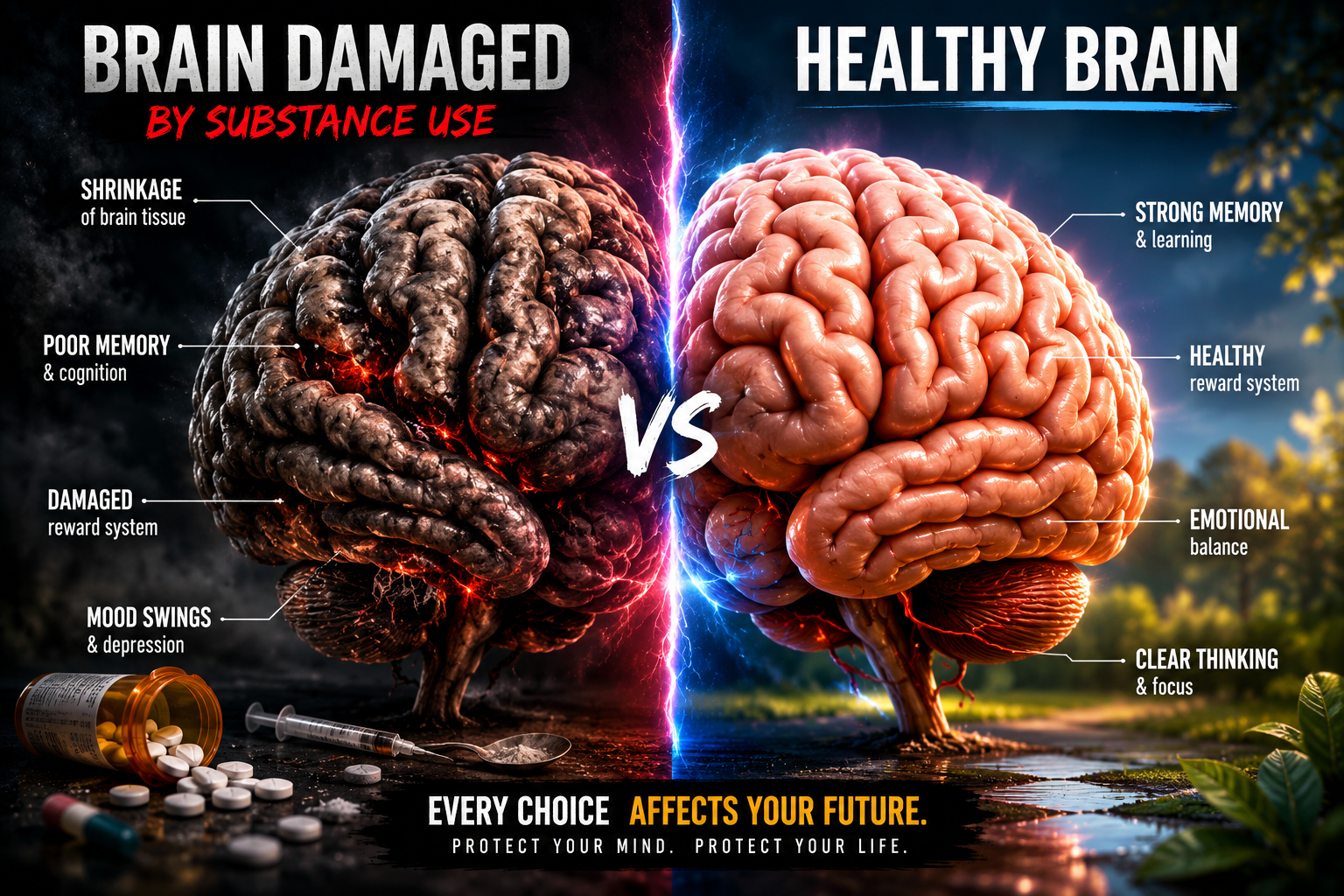
There are many scientific studies showing that alcohol, narcotics, stimulants, benzodiazepines, hormonal treatments, and other substances can significantly affect brain chemistry. Long-term use, high dosages, withdrawal, or sudden medication changes can sometimes contribute to depression, anxiety, paranoia, hallucinations, emotional instability, psychosis, or severe mental health crises.
In some situations, individuals may initially receive diagnoses for serious psychiatric disorders while their brain and nervous system are still recovering from the effects of medications or substances. As time passes and the brain begins healing, doctors may later reevaluate or even change those diagnoses based on the person’s recovery and long-term stability.
This does not mean mental illness is not real. Mental illness is absolutely real and affects millions of people every day. However, it does highlight the importance of understanding how physical health, medications, trauma, hormones, stress, sleep, and substance use can all interact together in ways that are sometimes misunderstood.
The brain is an incredibly complex organ. Just as the body requires time to heal after a serious physical injury, the brain may also require significant time to recover after prolonged exposure to certain substances or medication combinations.
For some individuals, recovery may happen relatively quickly. For others, healing can take months or even years depending on:
• The type of substance involved
• Length of use• Dosage levels
• Genetics
• Sleep quality
• Overall physical health
• Stress levels
• Existing mental health conditions
• Access to treatment and support
Every person’s recovery process is different.
One of the biggest challenges surrounding mental health and substance-related conditions is stigma. Too often, people are judged without understanding the full picture of what they may be experiencing biologically, psychologically, or emotionally. Individuals suffering from severe depression, medication withdrawal, or psychosis-like symptoms may feel isolated, ashamed, or afraid to seek help because they fear being misunderstood.
Unfortunately, many people also do not realize how dangerous abrupt withdrawal from certain prescription medications can be. Some medications affect the brain and nervous system so strongly that stopping them too quickly may trigger severe emotional and physical reactions. This is why proper medical supervision, gradual treatment plans, and ongoing support are so important during recovery.
Another important issue is sleep deprivation. Long-term insomnia alone can dramatically affect mental functioning, emotional regulation, and perception of reality. When combined with chronic pain, stress, trauma, or medication-related complications, the effects can become even more severe.
Despite these challenges, there is still hope.
The brain has an incredible ability to heal, adapt, and recover over time. Many people who once experienced severe mental health symptoms eventually regain stability, clarity, emotional control, and a renewed sense of purpose through treatment, support systems, healthy lifestyle changes, faith, counseling, and perseverance.
Recovery is not always a straight path. There may be setbacks, frustrations, and difficult seasons along the way. However, healing and progress are possible.
One of the reasons I share my experiences is because I believe more honest conversations are needed surrounding mental health, prescription medications, veteran recovery, chronic pain, addiction, and emotional healing. Too many people suffer silently while feeling alone in their struggles.
By increasing awareness and reducing stigma, we can help create a society where people feel safer asking for help before their situation becomes a crisis.
Mental health recovery is not simply about treating symptoms. It is about understanding the entire person — their experiences, trauma, physical health, medications, environment, relationships, and emotional struggles.
Most importantly, people need to know that recovery is possible. Even after severe emotional struggles, confusion, depression, addiction, or psychological distress, people can still rebuild their lives and move forward with hope, purpose, and resilience.
Healing takes time, patience, support, and understanding. But with the right help and commitment to recovery, positive change is possible.