May 20, 2026
By Randal Terrell
Mental health has become one of the most discussed topics in modern society, yet it is also one of the most misunderstood. Despite growing awareness surrounding depression, anxiety, PTSD, addiction, and other psychological conditions, there remains a powerful stigma attached to mental illness — especially when mental health becomes associated with crime, violence, or irrational behavior in media coverage.
Too often, when a tragic or shocking crime occurs, one of the first explanations presented to the public is that the individual may have been “suffering from mental illness.” In many cases, the media quickly introduces mental health into the conversation before the public fully understands the facts surrounding the event.
While mental health issues may sometimes play a role in certain situations, reducing complex human behavior to a simple statement about “mental illness” can create harmful misunderstandings and unfair stereotypes that affect millions of people living with mental health conditions every day.
One of the biggest problems is that the term “mental illness” is extremely broad. Mental health exists on a very large spectrum. Some individuals may struggle with mild anxiety, depression, trauma, or unusual behavioral tendencies while still functioning normally in society. Others may suffer from more severe psychiatric conditions involving hallucinations, delusions, psychosis, or impaired reality testing.
These are not all the same thing.
Unfortunately, public conversations often fail to recognize these important differences. As a result, many people begin associating all forms of mental illness with danger, instability, or violence. This creates fear and misunderstanding surrounding people who may simply be struggling emotionally, dealing with trauma, or seeking treatment for common mental health conditions.
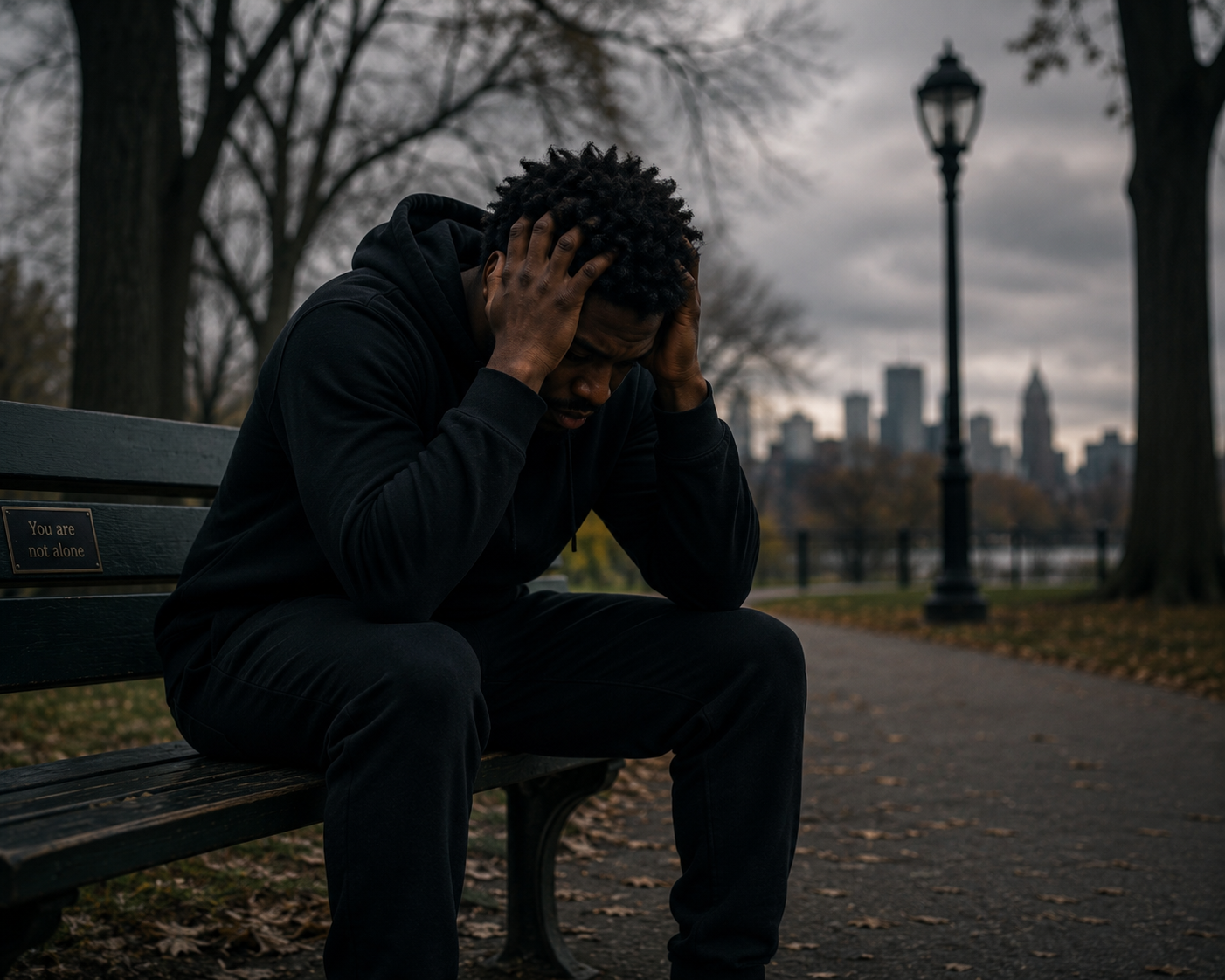
The reality is that most individuals living with mental illness are not violent. In fact, many people struggling with depression, anxiety, PTSD, or emotional trauma are far more likely to isolate themselves, suffer silently, or become victims themselves rather than harm others.
Mental health conditions are influenced by many factors including:
Trauma
Chronic stress
Genetics
Physical health problems
Sleep deprivation
Substance use
Prescription medications
Brain injuries
Childhood experiences
Social isolation
Financial hardship
Human behavior is complex, and no single label can fully explain why a person commits harmful actions.
Another issue is that the public often does not understand the difference between someone experiencing emotional struggles and someone who may be legally considered criminally insane. These are entirely different situations.
There are individuals who commit crimes while fully understanding the difference between right and wrong. There are also rare cases involving severe psychosis or extreme mental impairment where a person may genuinely lose touch with reality. Those situations involve complex medical, legal, and psychological evaluations that cannot be simplified into a brief headline or media soundbite.
When the media casually uses phrases like:
“The suspect was believed to suffer from mental illness,”
without context or clarification, it can unintentionally reinforce negative stereotypes against all individuals dealing with mental health challenges.
This stigma has real consequences.
Many people avoid seeking help because they fear being judged, labeled, or viewed as dangerous. Others remain silent about depression, anxiety, trauma, addiction, or emotional struggles because they worry about how family members, employers, coworkers, or society may react.
For veterans, first responders, trauma survivors, and individuals living with chronic pain, this stigma can become especially damaging. Many people are already struggling internally while also carrying the pressure to appear strong or emotionally stable at all times.
As a result, countless individuals suffer quietly until their situation worsens into a crisis.
Social media and internet culture have also complicated these issues. In today’s world, information spreads instantly, and emotionally charged stories often receive the most attention. Headlines focused on fear, violence, or controversy tend to attract large audiences, but they do not always encourage thoughtful understanding of mental health.
The public rarely sees the millions of ordinary people living productive lives while managing depression, PTSD, anxiety disorders, bipolar disorder, or other conditions through treatment, counseling, support systems, faith, healthy routines, and personal accountability.
Mental illness should never automatically define a person’s entire identity.
People are more than their diagnoses.
Many individuals experiencing mental health challenges are loving parents, veterans, students, workers, community members, artists, leaders, and people simply trying to navigate difficult circumstances while healing emotionally and psychologically.
This is why more balanced conversations about mental health are necessary.
Reducing stigma begins with education and understanding. Society must become better at discussing mental health with honesty, compassion, and accuracy rather than fear and oversimplification.
There are several ways we can improve these conversations moving forward.
1. Encourage Responsible Media Reporting
Media organizations should exercise caution when immediately connecting criminal behavior to mental illness without verified medical information or proper context. Mental health terminology should be used carefully and responsibly to avoid reinforcing harmful stereotypes.
2. Improve Public Education About Mental Health
Schools, workplaces, churches, and communities should increase mental health education so people better understand the wide range of mental health conditions and how treatment, recovery, and support systems work.
3. Increase Access to Treatment and Early Intervention
Many mental health crises become worse because individuals do not receive timely treatment, counseling, medical care, or emotional support. Expanding access to affordable mental health services could help many people before their struggles escalate.
4. Reduce the Fear of Seeking Help
People should feel safe discussing depression, trauma, anxiety, addiction, grief, or emotional distress without fear of humiliation or judgment. Seeking help should be viewed as strength rather than weakness.
5. Support Veterans and Trauma Survivors
Veterans and individuals exposed to severe trauma often face unique mental health challenges connected to their experiences. Providing strong support systems, peer groups, counseling resources, and community understanding can make a significant difference in recovery.
6. Focus on Recovery and Hope
Mental health conversations should not focus only on crisis and tragedy. More attention should also be given to recovery, resilience, healing, treatment success, and personal growth. Millions of people improve their lives every year through treatment, support, faith, discipline, and perseverance.
At the end of the day, mental health is a human issue that affects people from every background, age group, and walk of life.
The goal should not be to create fear surrounding mental illness. The goal should be to create greater understanding, encourage treatment, reduce stigma, and remind people that recovery and stability are possible.
Compassion, education, accountability, and honest dialogue can help society move toward a healthier and more balanced understanding of mental health for everyone.
Understanding Mental Health: Breaking the Stigma